Packaging
PAK-ij-ing
How you bundle features into plans and tiers. Which features go in which plan at which price. The architecture of your pricing page.
Packaging is deciding which features go in which plan. It is the most important pricing decision you make, and most companies get it wrong. They either gate too aggressively (frustrating users) or too loosely (leaving money on the table).
Good packaging follows a principle: each tier should serve a distinct buyer. The free tier serves individual developers evaluating the product. The team tier serves small teams who need collaboration features. The enterprise tier serves organizations that need security, compliance, and admin controls.
The worst packaging mistake is gating a feature that should be free. If your product requires feature X to be useful, putting X in a paid tier means your free tier is useless. The second worst mistake is giving everything away for free and having no clear upgrade path. Packaging is a balance.
Examples
A startup designs its first packaging.
An API monitoring tool decides: Free tier gets 3 monitors and email alerts. Pro ($29/month) gets 50 monitors, Slack/PagerDuty alerts, and 30-day history. Enterprise (custom) adds SSO, RBAC, 365-day history, and SLA. Each tier targets a distinct buyer.
Repackaging drives revenue growth.
A company's $49/month plan includes everything. Conversion is high but expansion is zero because there is nothing to upgrade to. They split into three tiers: $29 (basic), $79 (team), $199 (business). Revenue grows 40% in six months as existing customers move to higher tiers for features they already wanted.
Packaging collaboration as a paid feature.
Figma makes the core design tool free for individuals. Collaboration features (shared team libraries, branching, design system management) require the Professional plan. This is smart packaging because collaboration only matters when teams adopt, and teams have budget.
In practice
Read more on the blog
Frequently asked questions
How often should I change my packaging?
Review packaging quarterly. Change it no more than once or twice per year. Frequent packaging changes confuse existing customers and sales teams. When you do change packaging, grandfather existing customers on their current plan for at least 6-12 months.
Should I gate features or usage limits?
Both. Gate team and admin features (SSO, RBAC, audit logs) by tier. Limit usage (API calls, storage, seats) within each tier. Feature gating targets different buyers. Usage limits target different scales. The combination creates natural upgrade paths for both growing teams and growing workloads.
Related terms
Offering multiple pricing plans at different price points, each with more features or higher limits. The classic Good/Better/Best model.
Restricting specific features to paid plans. The mechanism that turns free users into paying customers.
A pricing model where the base product is free and revenue comes from paid upgrades. The dominant model in developer tools.
Custom pricing for large organizations, typically requiring a sales conversation. The "Contact us" plan on your pricing page.
Setting prices based on the value your product delivers to customers, not on your costs or competitors' prices.
Want the complete playbook?
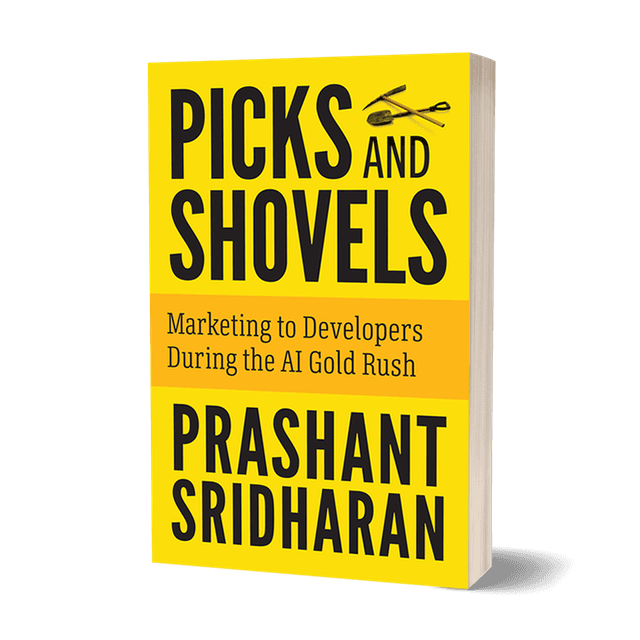
Picks and Shovels is the definitive guide to developer marketing. Amazon #1 bestseller with practical strategies from 30 years of marketing to developers.