Scrum
skrum
An Agile framework that organizes work into fixed-length sprints with defined roles, ceremonies, and artifacts.
Scrum is the most popular Agile framework. It organizes work into sprints (usually 2 weeks) with specific roles (product owner, scrum master, development team) and ceremonies (sprint planning, daily standup, sprint review, retrospective).
The sprint is the core concept. The team commits to a set of work at the start. They work on it for two weeks. At the end, they demo what they built. Then they plan the next sprint. This cadence creates predictability and forces regular delivery.
Scrum works well for teams that need structure. The ceremonies create touchpoints for communication. The sprint boundary forces the team to break work into shippable increments. The retrospective creates a habit of continuous improvement.
Examples
A team runs a typical Scrum sprint.
Monday morning: sprint planning (select stories for the sprint). Daily: 15-minute standup. Friday of week 2: sprint review (demo to stakeholders). Immediately after: retrospective (what went well, what did not, what to change).
A scrum master removes a blocker.
During standup, an engineer mentions they are blocked waiting for access to a staging environment. The scrum master follows up with IT and gets access provisioned within two hours. The engineer is unblocked by lunch.
A team modifies Scrum to fit their needs.
The team finds that 2-week sprints are too short for their complex features. They switch to 3-week sprints. They also replace daily standups with async updates in Slack. Scrum is a framework, not a religion.
Frequently asked questions
What is the difference between Scrum and Kanban?
Scrum uses fixed-length sprints with planned scope. Kanban uses continuous flow with work-in-progress limits. Scrum has defined roles and ceremonies. Kanban is more flexible. Scrum suits teams that benefit from structure. Kanban suits teams that handle unpredictable or continuous work.
Do you need a dedicated scrum master?
Small teams often have a team member or PM fill the scrum master role. Larger teams benefit from a dedicated scrum master who focuses on process improvement and removing blockers. The role matters most when the team is new to Scrum or facing significant process challenges.
Related terms
A software development methodology that delivers work in short iterations with continuous feedback and adaptation.
An Agile workflow method that visualizes work on a board and limits work in progress to improve flow and reduce bottlenecks.
A meeting where the team selects which work to complete in the upcoming sprint and plans how to accomplish it.
A team meeting at the end of a sprint or project where members discuss what went well, what went wrong, and what to improve.
Want the complete playbook?
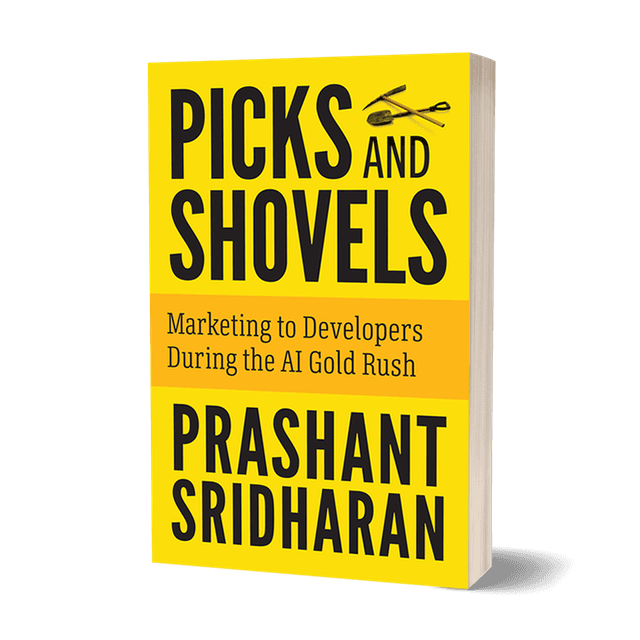
Picks and Shovels is the definitive guide to developer marketing. Amazon #1 bestseller with practical strategies from 30 years of marketing to developers.