Lean startup
leen STAR-tup
A methodology for building businesses through rapid experimentation, validated learning, and iterative product development.
Lean startup is a methodology popularized by Eric Ries. The core idea: build a minimum viable product, measure how customers respond, learn from the data, and iterate. Build-measure-learn. Repeat as fast as possible.
The methodology challenges the traditional approach of spending months building a product before showing it to anyone. Instead, get something in front of customers as quickly as possible. The goal is validated learning: evidence that your hypothesis about what customers want is correct (or incorrect).
Lean startup principles have been widely adopted, though not always practiced correctly. The most common mistake is building an MVP that is not truly minimum or treating vanity metrics (signups, page views) as validation instead of meaningful engagement metrics. When the data says your approach is wrong, the lean framework points toward a pivot. Bootstrapped companies often embrace lean principles out of necessity.
Examples
A founder applies lean startup to test an idea.
Hypothesis: developers want a one-click database provisioning tool. Test: a landing page describing the tool with a 'Join waitlist' button. Result: 300 signups in a week. The hypothesis is partially validated. Next step: interview 20 of the signups to understand their specific needs before building.
A team runs a build-measure-learn cycle.
Build: add a collaborative editing feature (1 week). Measure: track adoption (15% of users try it, 3% use it regularly). Learn: the feature is discoverable but not sticky. Next cycle: improve the collaboration experience based on user feedback.
A company pivots based on lean startup principles.
Three rounds of build-measure-learn show that the original product hypothesis is wrong. Customers want something adjacent. The team pivots to the adjacent problem. Without lean methodology, they might have spent a year building the wrong thing.
In practice
Read more on the blog
Frequently asked questions
Is lean startup still relevant?
The principles are timeless: validate assumptions before investing heavily, iterate based on data, and minimize waste. The specific practices have evolved. Some aspects (like the emphasis on MVPs) have been refined. But the core philosophy of validated learning through rapid experimentation remains the best approach for new products.
What is validated learning?
Evidence from real customer behavior that confirms or denies a hypothesis. A customer saying 'I would use that' is not validated learning. A customer actually using the product and paying for it is. Validated learning requires measuring actual behavior, not just stated preferences.
Related terms
The simplest version of a product that can be released to test a hypothesis and learn from real user feedback.
The point where a product satisfies strong market demand, evidenced by organic growth and high user retention.
A fundamental change in a startup's product, target market, or business model based on learnings from the current approach.
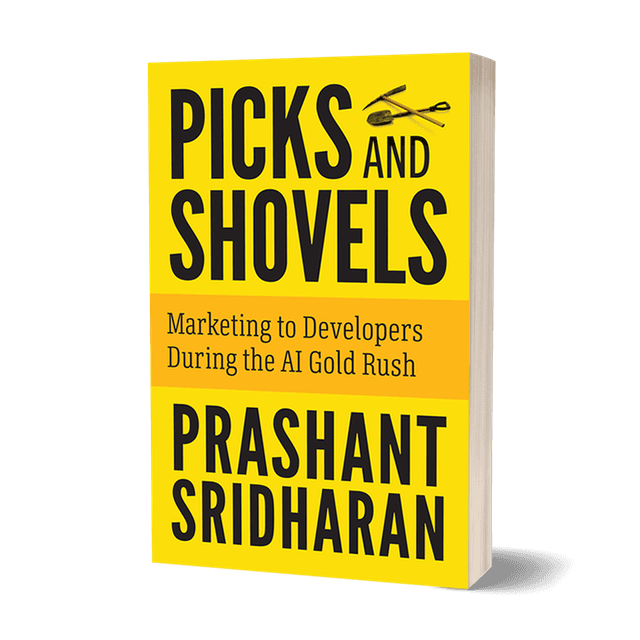
Want the complete playbook?
Picks and Shovels is the definitive guide to developer marketing. Amazon #1 bestseller with practical strategies from 30 years of marketing to developers.