Inbound
IN-bownd
Marketing that attracts prospects to you through content, SEO, and value-first engagement. They come to you, not the other way around.
Inbound marketing attracts prospects by creating valuable content and experiences. Blog posts, documentation, tutorials, webinars, podcasts, and community engagement bring people to you. They find your content through search, social media, or word of mouth. They learn. They build trust. Eventually, they buy.
HubSpot coined the term and built a billion-dollar company around it. The thesis: buyers do not want to be interrupted by cold calls and banner ads. They want to find answers to their questions. If you are the company that provides those answers, you earn the right to sell to them.
Inbound works best for companies whose buyers do research before purchasing. Developer tools are a perfect fit because developers search for solutions, read documentation, and evaluate products independently. Consumer products with impulse buying behavior are less suited to inbound.
Examples
An inbound engine for a developer tools company.
The company publishes 3 technical blog posts per week, maintains comprehensive documentation, runs a developer community forum, and has a free tier. 60% of qualified pipeline comes from organic search and community referrals. CAC is $3k versus $15k for outbound-sourced deals.
Inbound takes time to build.
Month 1: 500 organic visitors. Month 6: 5,000 organic visitors. Month 12: 25,000 organic visitors. First inbound-sourced deal closes in month 8. By month 18, inbound generates 30% of pipeline. The CMO had to justify 8 months of investment before results appeared.
Inbound without conversion is just a blog.
The blog gets 100k monthly visitors. But there is no CTA, no free trial link, no demo request form. Traffic without conversion is content marketing, not demand gen. The team adds contextual CTAs and demo requests increase 4x.
In practice
Read more on the blog
Frequently asked questions
How long does inbound marketing take to work?
Six to twelve months for meaningful pipeline contribution. SEO takes 3-6 months to rank. Content libraries take months to build. Community trust takes even longer. Inbound is an investment, not a tactic. Companies that commit for 12+ months see compounding returns.
Can inbound replace outbound?
For some companies, yes. PLG companies with strong content and community can generate most pipeline through inbound. For enterprise sales with large deal sizes and small TAMs, outbound is usually necessary. Most companies need both in different proportions.
Related terms
Marketing and sales that reaches out to prospects directly. Cold calls, cold emails, and targeted ads aimed at specific accounts.
Creating and distributing valuable content to attract, engage, and convert your target audience. Education as a marketing strategy.
The practice of improving your website to rank higher in search results. The longest-lasting, highest-ROI demand generation channel.
The marketing function that creates awareness and interest in your product. Fills the top and middle of the funnel with qualified prospects.
Want the complete playbook?
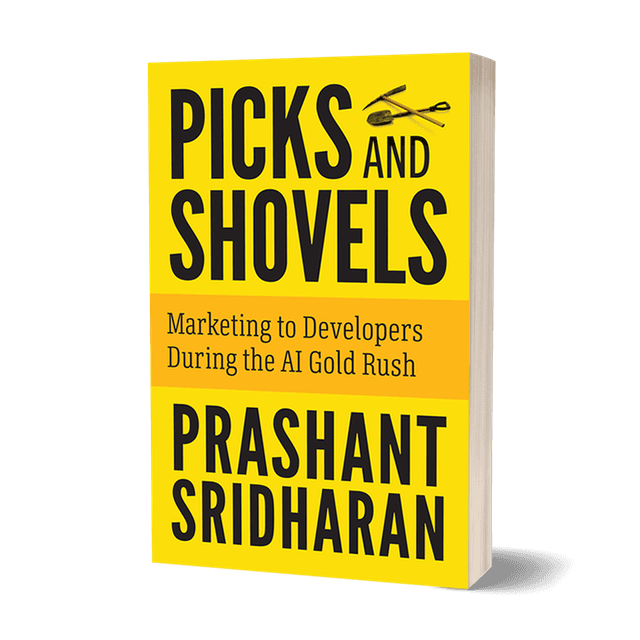
Picks and Shovels is the definitive guide to developer marketing. Amazon #1 bestseller with practical strategies from 30 years of marketing to developers.