Competitive intelligence
kum-PET-ih-tiv in-TEL-ih-jens
Systematic collection and analysis of information about competitors. What they do, how they sell, where they win, and where they are vulnerable.
Competitive intelligence is the ongoing practice of tracking competitors: their product developments, pricing changes, messaging shifts, hiring patterns, customer wins, and market positioning. It is not industrial espionage. It is being informed.
Good CI programs collect information from public sources: competitor websites, job postings, product changelogs, press releases, social media, patent filings, SEC filings, and customer reviews. They also collect information from sales interactions: what prospects say about competitors in calls, what competitors say about you, and where deals are won or lost.
The output of CI is actionable intelligence: updated battlecards, competitive positioning adjustments, product roadmap influence, and early warning of competitive threats. If CI does not change behavior (how you sell, how you position, what you build), it is research without impact.
Examples
A CI program detects a competitive threat.
CI tracking shows a competitor hired 15 engineers in the last quarter and posted job descriptions mentioning your product's core feature area. They are building a competing feature. The product team accelerates their roadmap to ship first. The sales team prepares messaging for the inevitable comparison.
Win/loss data feeds CI.
Win/loss analysis shows the company loses 40% of deals where Competitor B is in the evaluation. Competitor B wins on pricing and ease of implementation. The CI team builds a targeted battlecard addressing these two advantages and the product team prioritizes a faster setup experience.
A quarterly CI briefing.
The CI team presents to sales and product. Competitor A raised a $200M round and is expanding into enterprise. Competitor B launched a free tier. Competitor C's customer reviews show increasing complaints about reliability. Each insight has a recommended action.
In practice
Read more on the blog
Frequently asked questions
What sources should a CI program track?
Public sources: competitor websites, pricing pages, product changelogs, job postings, press releases, SEC filings, patent filings, social media, and third-party review sites. Sales sources: competitor mentions in prospect conversations, win/loss interview data, and RFP responses. Automate tracking where possible.
How do you make CI actionable?
Every CI insight should connect to a decision or action. Competitor launched a new feature? Update the battlecard. Competitor raised prices? Adjust positioning. Competitor hired a new sales leader? Watch for changes in their go-to-market. CI that lives in a document nobody reads is waste.
Related terms
How you differentiate your product from specific competitors. The answer to 'why should I choose you over them?'
A one-page competitive reference for sales reps. Covers a competitor's strengths, weaknesses, and how to win against them.
Structured interviews with prospects who chose you (wins) and those who did not (losses) to understand why. The most honest feedback you will ever get.
Providing the sales team with the content, training, and tools they need to sell effectively. Bridging the gap between marketing and revenue.
Want the complete playbook?
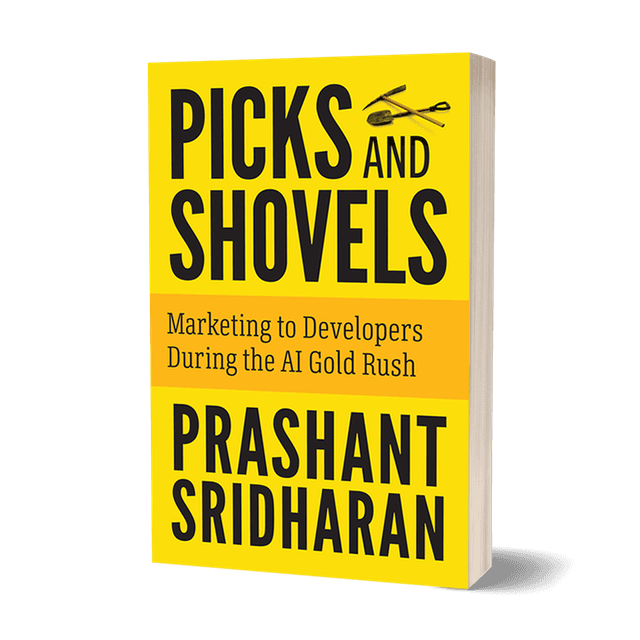
Picks and Shovels is the definitive guide to developer marketing. Amazon #1 bestseller with practical strategies from 30 years of marketing to developers.