Usability testing
yoo-zuh-BIL-ih-tee TEST-ing
Observing real users as they attempt tasks in your product to identify confusion, friction, and areas for improvement.
Usability testing means watching real users try to use your product. You give them a task ('Set up your first alert'), observe how they approach it, and note where they get confused, frustrated, or stuck. It is a core method in user research.
The method is simple but the insights are powerful. No amount of internal review can replicate what you learn from watching a first-time user interact with your product. Things that seem obvious to your team (who have used the product for months) are often invisible or confusing to new users. This is especially true for onboarding flows where first impressions determine activation.
Usability tests can be moderated (a researcher guides the session) or unmoderated (the user completes tasks on their own while being recorded). Tools like UserTesting, Maze, and Loom make it easy to run remote usability tests at scale.
Examples
A designer runs moderated usability tests.
The designer shares a Figma prototype with five users over Zoom. Each user attempts three tasks. The designer observes and asks follow-up questions: 'What did you expect to happen when you clicked that?' The sessions reveal that the terminology confuses users.
An unmoderated test runs at scale.
The team posts 10 tasks on a usability testing platform. 50 users complete the tasks over a weekend. The platform records their screens and responses. The PM reviews the recordings on Monday and identifies the three biggest friction points.
A usability test saves months of wasted development.
Before building a complex new workflow, the team tests the proposed design with 5 users. All 5 struggle with the same conceptual model. The team redesigns the approach before writing any code, avoiding months of work on a confusing feature.
Frequently asked questions
How often should you run usability tests?
Ideally, every sprint or every major design decision. Continuous testing catches problems early. At minimum, test before launching significant new features or redesigns. Five users per round is enough to identify major issues.
What is the difference between usability testing and user research?
Usability testing is a specific research method focused on whether users can complete tasks in your product. User research is the broader practice that includes interviews, surveys, contextual inquiry, and analytics analysis. Usability testing is one tool in the user research toolkit.
Related terms
The practice of studying users through interviews, observation, and data analysis to understand their needs and behaviors.
Tools and practices for tracking how users interact with a product to inform decisions about features, onboarding, and growth.
The process of guiding new users from signup to their first experience of product value.
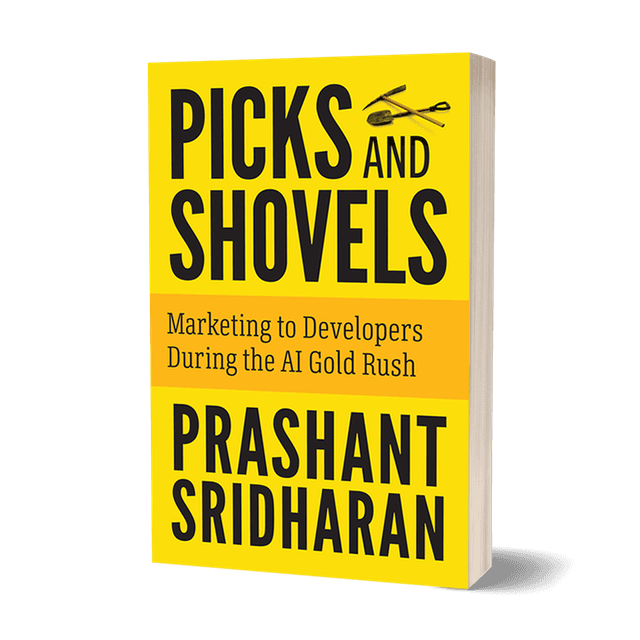
Want the complete playbook?
Picks and Shovels is the definitive guide to developer marketing. Amazon #1 bestseller with practical strategies from 30 years of marketing to developers.