Open source
OH-pen sors
Software whose source code is publicly available for anyone to view, use, modify, and distribute.
Open source means the source code is public. Anyone can read it, copy it, modify it, and distribute their changes. Linux, React, PostgreSQL, Kubernetes, VS Code. The software that runs most of the internet is open source. Companies build billion-dollar businesses on top of open source foundations.
For developer tools companies, open source is both a distribution strategy and a business model. The open source project gets adoption (developers can try it without a sales call). The company monetizes through a hosted service, enterprise features, or support contracts. This is the "open core" model used by companies like GitLab, HashiCorp, Elastic, and MongoDB. The open source version is free. The commercial version adds features that enterprises need: SSO, audit logs, compliance, and dedicated support.
Open source licensing matters. MIT and Apache 2.0 licenses are permissive: anyone can use the code for anything, including proprietary products. GPL requires that derivative works also be open source. SSPL (used by MongoDB and Elastic) prevents cloud providers from offering the software as a service without contributing back. The choice of license shapes the community, the business model, and the competitive dynamics.
Examples
A company open-sources its core product.
Supabase open-sources their entire platform on GitHub. The repo gets 60,000+ stars. Developers try it for free, self-host it for small projects, and upgrade to the hosted platform when they need managed infrastructure. The open source repo is the top of the funnel. It produces more qualified leads than any marketing campaign.
A developer contributes to an open source project.
A developer finds a bug in a popular date library. Instead of complaining on Twitter, they fork the repo, fix the bug, write a test, and submit a pull request. The maintainer reviews it, suggests a small change, and merges it. The fix is available to millions of users in the next release. The developer gets a green contribution square on their GitHub profile.
A company changes its open source license and faces backlash.
A database company switches from Apache 2.0 to a more restrictive license to prevent AWS from offering their database as a managed service. The community forks the project under the old license. Two competing versions now exist. The company retains enterprise customers but loses community goodwill and contributors. The fork gains traction as the 'truly open source' alternative.
In practice
Read more on the blog
Frequently asked questions
How do open source companies make money?
Most use the open core model: the core product is free and open source, but the company sells a commercial version with extra features. Vercel sells hosting for the open source Next.js framework. GitLab sells enterprise features on top of their open source Git platform. Others sell support and consulting (Red Hat), or hosted services (MongoDB Atlas). The open source project drives adoption. The commercial offering drives revenue.
What is the difference between open source and free software?
Open source emphasizes practical benefits: code quality through peer review, faster innovation through collaboration, and freedom from vendor lock-in. Free software (as defined by the Free Software Foundation) emphasizes user freedoms: the right to run, study, modify, and share the software. The licenses overlap significantly. MIT, Apache, and GPL are both open source and free software. The difference is philosophical, not legal.
Related terms
A repository: the central location where a project's source code and version history are stored.
An external library or package that your project requires to function.
A tool that automates installing, updating, and removing software dependencies for a project.
A single repository that contains multiple projects, packages, or services managed together.
A proposal to merge code changes from one branch into another, with review.
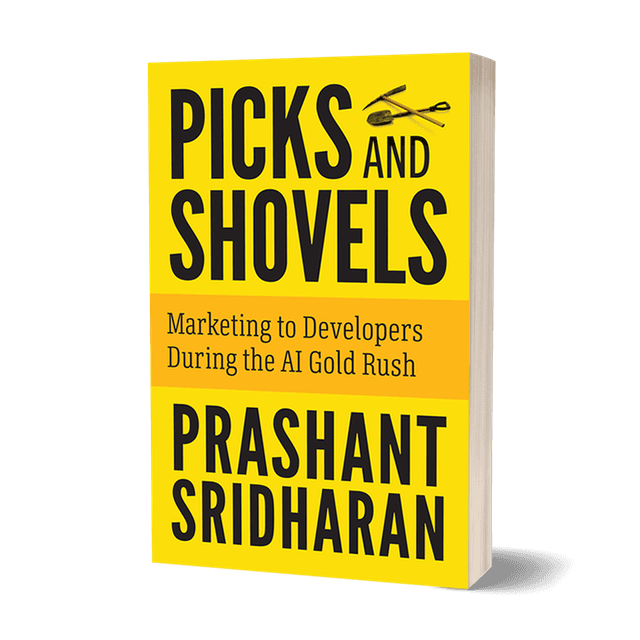
Want the complete playbook?
Picks and Shovels is the definitive guide to developer marketing. Amazon #1 bestseller with practical strategies from 30 years of marketing to developers.