Editorial calendar
ed-ih-TOR-ee-ul KAL-en-der
A schedule that plans what content will be published, when, and on which channels.
An editorial calendar is the plan for what you will publish and when. It maps content pieces to dates, channels, authors, and stages of completion. Without one, content marketing becomes reactive: you publish when someone finishes writing, not when it strategically makes sense.
The best editorial calendars are simple. A spreadsheet or project board with columns for title, publish date, status, author, and distribution channel. The key is consistency. A team that publishes one solid piece per week on a predictable schedule builds more audience trust than a team that publishes five pieces one week and nothing for the next three.
Editorial calendars also force prioritization. When you see the next 90 days laid out, you make better decisions about what deserves a slot and what does not.
Examples
A content team plans their Q2 calendar.
They map 12 blog posts across 12 weeks. Four align with a product launch in April. Two support a conference in May. The rest fill topical gaps identified by keyword research.
A solo marketer uses a simple spreadsheet.
The calendar has four columns: date, title, status (draft, review, published), and distribution (blog, newsletter, LinkedIn). They plan two weeks ahead and adjust as priorities shift.
A team coordinates across content types.
The editorial calendar includes blog posts, podcast episodes, webinars, and social media campaigns. Each piece is tagged with the content pillar it supports, ensuring balanced coverage across topics.
In practice
Read more on the blog
Frequently asked questions
How far ahead should an editorial calendar plan?
Most teams plan 4-12 weeks ahead. Further than that and priorities change too much to be useful. The next 2 weeks should be firm. Weeks 3-8 should be planned but flexible. Beyond 8 weeks, themes are enough.
What is the difference between an editorial calendar and a content strategy?
Content strategy defines the what and why: topics, audience, goals. The editorial calendar is the when and who: specific pieces scheduled on specific dates with assigned authors. Strategy comes first; the calendar executes it.
Related terms
The plan for creating, publishing, and governing content that achieves specific business goals for a defined audience.
A core topic area that forms the foundation of a content strategy, with multiple related pieces branching from it.
The process of promoting and sharing content across channels to reach your target audience after publication.
A regularly updated section of a website where a company publishes articles to attract, educate, and engage its target audience.
Want the complete playbook?
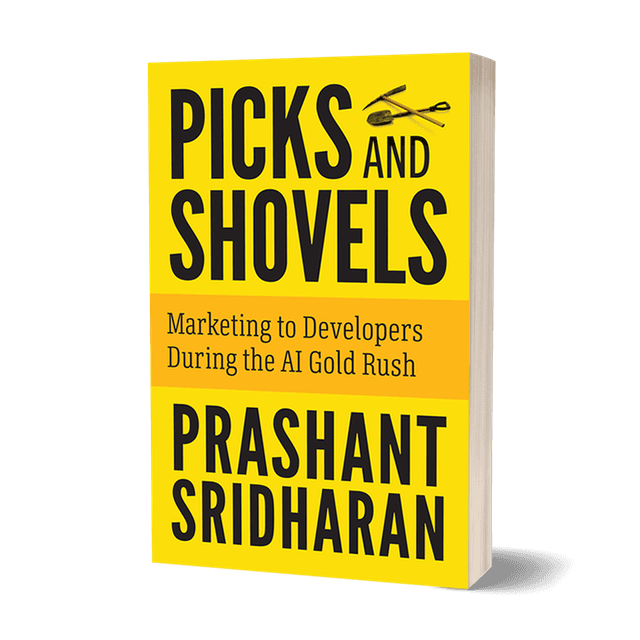
Picks and Shovels is the definitive guide to developer marketing. Amazon #1 bestseller with practical strategies from 30 years of marketing to developers.