Writers write
The fight over writers using AI misses the point. The bigger risk is readers who order stories built to match what they already expect.
I saw this tweet and it got me thinking.
A lot has been written about authors using AI to write. But I think this actually misses the point. Writers write. Throughout time, it has been the driving force for our existence. If you're a writer, nothing stops you from writing. The technology changes, of course. In the past, one used papyrus and ink. Today I'm dictating this entire blog post to my iPhone.
There seems to be an almost gleeful mob mentality to policing how writers choose to use AI. But writers don't concern me nearly as much as readers. It's readers that I think will be most affected by AI.
Let's face it, the majority of popular entertainment that we consume every day is disposable. From the Netflix show that we turn on while we scroll to the magazine article that we may skim online to a video game that we may play for an hour to decompress after work. A lot of this entertainment is undifferentiated and unnecessary, save for numbing our minds and emotions after an all too cruel world has beaten us into submission.
It's easy for a reader in this context to say, you know, I don't want a book by an author who's going to challenge me or transport me to a new universe. What I really want is a book that has these types of characters, this type of story, this type of setting, and I want it right now.
The technology for generating this kind of story exists today, at least in the written format. The technology for generating this kind of story in film, television, even musical format is rapidly developing. Within months, and certainly within years, you'll be able to generate an entire episode of television to conform to your exact expectations. In much the same way that you scroll Uber Eats to pick the exact dish that you're craving right now, you'll be able to dictate to a machine the exact kind of content that you want at any moment.
To me, this is the existential crisis that faces writers today. Not whether I use ChatGPT or Claude to research, to serve as the first round of developmental editing, or to act as an adversarial partner to perfect my story, characters, or theme.
One of the most enjoyable aspects of reading is being forcibly transported into the author's mind. Their creativity, their life experiences, and their inner desires all form a beautiful soup that I get to savor for several hours. As writers, we expose ourselves to readers in this manner. We choose to do so because the compulsion to tell our truth is what fuels us to put words and meaning to paper. What happens, then, when readers possess the ability to generate their own stories, their own worlds, that reinforce their expectations rather than challenge their assumptions?
Expressing your own creativity to an AI and having it generate a story unique to you is another form of creative expression. I embrace creative expression in all its forms. But I worry that people will only consume content that they've ordered, and that will result in a less empathetic, more insular world. When people close themselves off from one another, they stop understanding each other, and what we don't understand, we fear. That kind of world is lonelier and more dangerous.
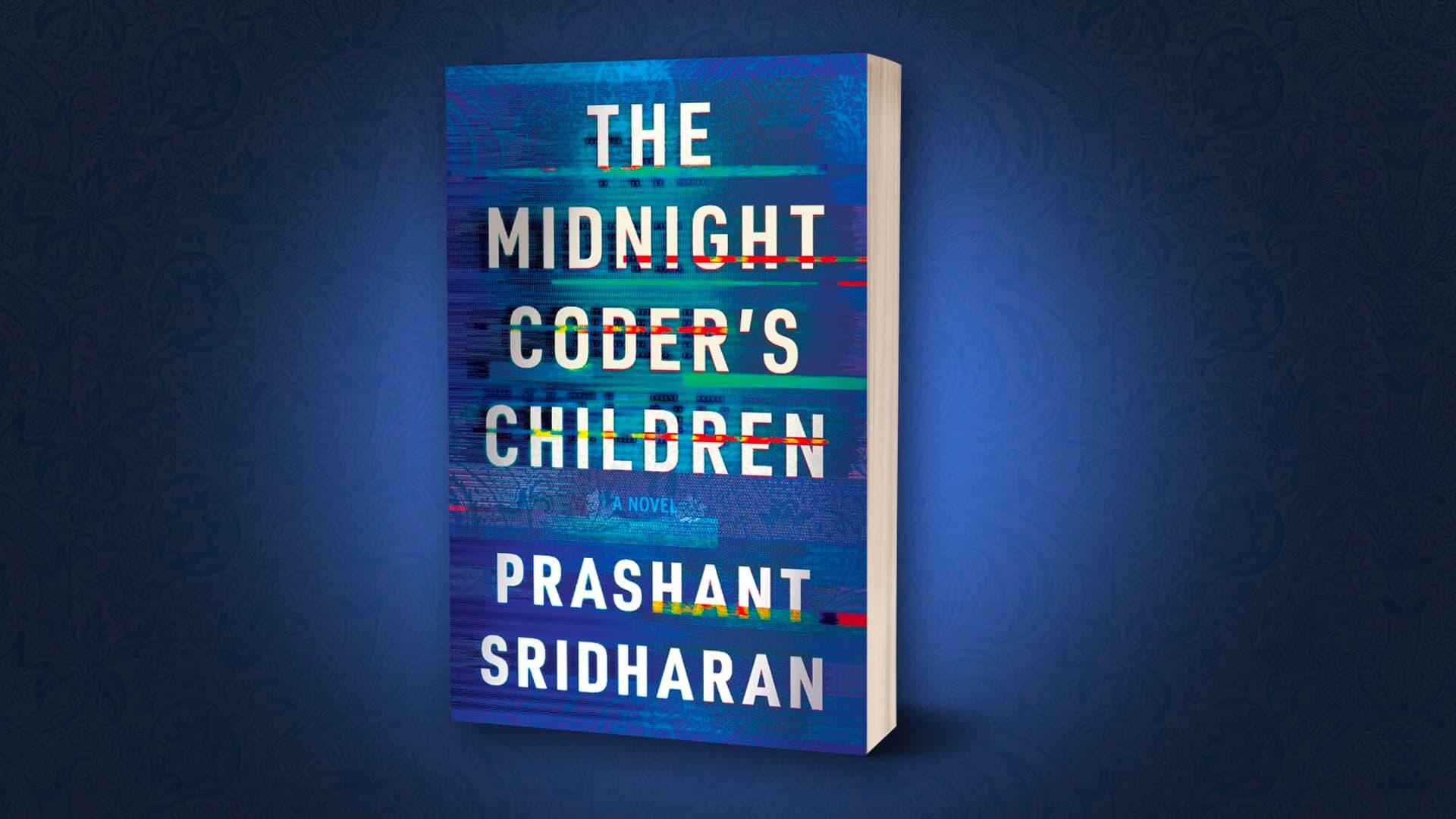
I wrote my book, The Midnight Coder's Children, from the perspective of a son who observed his immigrant mother struggle to raise a family by herself and embrace a new culture far from home. It's a struggle that I didn't fully appreciate until I also became an immigrant after moving to Portugal during the pandemic and having my own child. Those observations and those emotions and those feelings that I now harbor within me became the fuel for this novel. Nobody is asking for a novel about an immigrant coder who saves the world from a catastrophic cyberattack through encoded memories in a recipe book. Nobody would think to order it from a machine. That story is as unique as me and you.
It took me decades and a move across an ocean to see inside my own mother's life. A good book can do that in a few hours. What happens when the only mind we encounter is our own?
If writers write, it's the reader's job to read. Read more. Read authors who are nothing like you. Read stories you would never have thought to ask for. Step outside your genre. Challenge your own assumptions instead of asking a machine to spoon-feed you your preconceived notions.
My novel is out now and I hope you give it a shot. It's the story of an immigrant single mom who helped build the tech industry. It's a story that only I could have written. You didn't order it. But maybe give it a shot and read it anyway.

Developer marketing expert with 30+ years at Sun Microsystems, Microsoft, AWS, Meta, Twitter, and Supabase. Author of Picks and Shovels, the Amazon #1 bestseller on developer marketing.